Digital Nomad Taxes in 2025
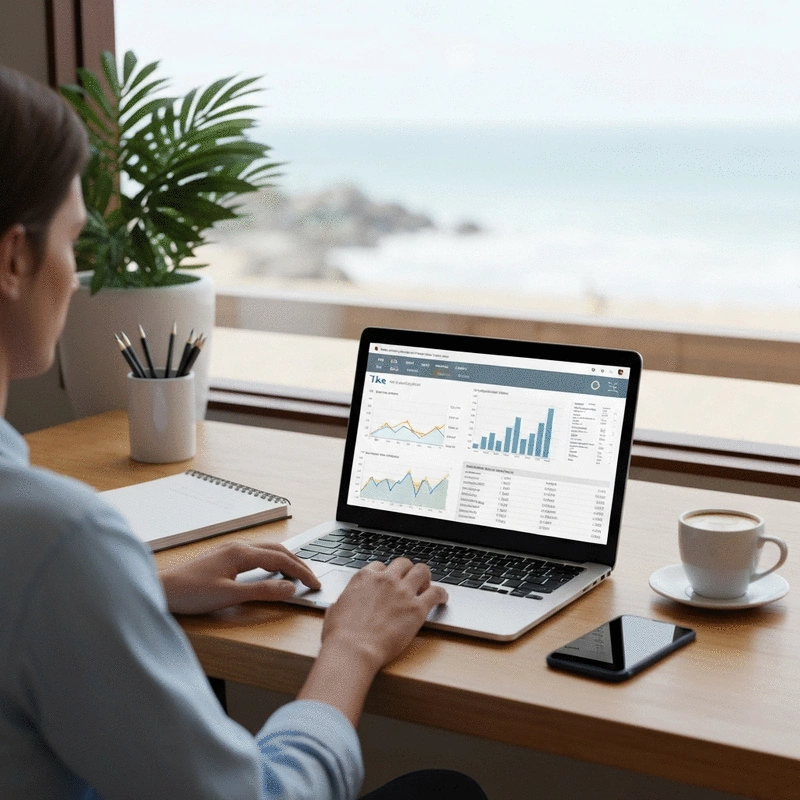
As you embark on your journey of navigating digital nomad taxes, consider the profound impact that understanding these obligations can have on your adventures. Do you want to travel the world without the shadow of tax challenges looming over you?
What You Will Learn
- U.S. citizens must report worldwide income to the IRS, regardless of location.
- Understanding your tax residency status is crucial and can affect your obligations.
- The Foreign Earned Income Exclusion (FEIE) allows eligible digital nomads to reduce their U.S. tax burden.
- Documenting all income sources and expenses is essential for effective tax management.
- Various tax deductions, including business expenses and health insurance premiums, can alleviate financial pressure.
- Consulting with a tax advisor can provide personalized guidance to navigate complex international tax laws.
Digital Nomad Tax Essentials: 2025 Overview
Navigating U.S. tax obligations as a digital nomad requires understanding key concepts and leveraging available exclusions. This overview highlights the core principles and steps for effective financial planning in 2025.
U.S. Tax Obligations & Concepts
- Worldwide Income Taxation: U.S. citizens report global income.
- Tax Residency: Country-specific rules based on physical presence.
- Filing Requirements: Deadlines apply even when abroad.
Foreign Earned Income Exclusion (FEIE)
Allows exclusion of foreign earnings from U.S. taxation.
- Eligibility: Physical Presence (330 days/12 months) or Bona Fide Residence.
- Exclusion Limits: Annually adjusted (stay updated for 2025).
- Documentation: Essential for proving eligibility.
Personalized Tax & Financial Strategy
- Document All Income Sources.
- Understand Tax Obligations (U.S. & foreign).
- Set Up a Budget & Tax Reserve.
- Utilize Accounting & Budgeting Tools.
Next Steps for 2025 Financial Planning
- Review Financial Goals.
- Stay Updated on Tax Law Changes.
- Gather Documents Early.
- Consult a Tax Advisor for complex situations.
- Explore Specialized Accounting Services.
Understanding Digital Nomad Taxes in 2025
As a digital nomad, navigating the world of tax obligations can feel overwhelming, especially as we approach 2025. It's crucial to understand how your unique lifestyle impacts your tax responsibilities, particularly if you're a U.S. citizen living abroad. In this section, we’ll explore the essential aspects of digital nomad taxes, ensuring you’re well-prepared for the upcoming tax year!
With the right information, you can confidently tackle your tax situation and focus on what truly matters: your adventures. From understanding your status as a digital nomad taxpayer to exploring the Foreign Earned Income Exclusion (FEIE), let's dive into the nitty-gritty of taxes for those of us who are always on the move.
Overview of U.S. Tax Obligations for Digital Nomads
First, let's clarify what it means to be a digital nomad taxpayer. Essentially, if you maintain U.S. citizenship, you're required to report your worldwide income to the IRS, regardless of where you live or earn that income. This can be surprising for many travelers who assume that being abroad exempts them from U.S. tax laws. For comprehensive guidance on international tax obligations, you can refer to the official IRS international taxpayers page.
- Worldwide Income Taxation: Understand that the U.S. taxes its citizens on income earned anywhere in the world.
- Tax Residency: Your residency status can significantly influence your tax obligations.
- Filing Requirements: Being abroad doesn’t exempt you from filing; deadlines still apply!
Understanding these basic concepts is vital as they lay the groundwork for your tax planning efforts. Every digital nomad should strive to grasp their tax obligations and stay compliant to avoid any surprises.
What It Means to Be a Digital Nomad Taxpayer
Being a digital nomad taxpayer means adhering to specific U.S. tax laws that govern international income. As you traverse different countries, it's important to keep meticulous records of your earnings and where they are generated. These records will help when filing your taxes and claiming any applicable deductions.
Remember, just because you're living a nomadic lifestyle doesn't mean you can ignore the IRS! Regular check-ins on your financial situation and tax obligations will help keep your travels stress-free.
Key Concepts: Worldwide Income Taxation Explained
Worldwide income taxation is a crucial concept for digital nomads. The U.S. government requires that all citizens report income earned globally, which includes wages, freelance work, and investment income. You may also want to consider how foreign taxes can impact your U.S. obligations.
- **Know Your Income Sources:** Make sure to account for all income, whether from a remote job or local gigs.
- **Foreign Tax Credits:** If you pay taxes in another country, you might be eligible for credits to alleviate double taxation.
- **Tax Treaties:** Various countries have treaties with the U.S. that can influence how you're taxed. Research these!
By understanding these elements, you'll gain clarity on how to handle your finances while enjoying the freedom of remote work.
Understanding Tax Residency and Its Impact on Digital Nomads
Tax residency can significantly affect your obligations as a digital nomad. Each country has its own rules about residency, typically based on your physical presence. This means that spending too much time in a single country could lead to tax liabilities there.
As you plan your travels, consider how long you intend to stay in each location. Tracking this diligently can help avoid unintended tax consequences. Consult local laws when needed, as they can differ widely across nations!
Navigating the Foreign Earned Income Exclusion (FEIE)
The Foreign Earned Income Exclusion (FEIE) is a powerful tool for digital nomads. It allows you to exclude a portion of your foreign earnings from U.S. taxation, reducing your overall tax burden significantly! However, there are specific criteria you must meet to qualify. For detailed information on eligibility and requirements, the IRS provides comprehensive guidance on the Foreign Earned Income Exclusion.
- Eligibility Criteria: You need to meet either the Physical Presence Test or the Bona Fide Residence Test.
- Exclusion Limits: For 2025, the exclusion amount is adjusted annually—stay updated!
- Proper Documentation: Maintain records to prove eligibility if audited.
Utilizing the FEIE effectively can be a game-changer for your finances as a digital nomad. Make sure to explore its benefits and how it can apply to your unique situation.
Eligibility Criteria for FEIE
To qualify for the FEIE, you'll need to demonstrate that you meet specific criteria outlined by the IRS. The two primary tests are the Physical Presence Test and the Bona Fide Residence Test.
- Physical Presence Test: This requires you to be physically present in a foreign country for at least 330 full days within a 12-month period.
- Bona Fide Residence Test: This is best for those who establish a permanent home in a foreign country and intend to reside there.
Deciding which test is right for you can be complex, but understanding these criteria puts you a step ahead!
Understanding the Physical Presence Test and Bona Fide Residence Test
As a digital nomad, understanding both the Physical Presence Test and the Bona Fide Residence Test is essential for maximizing your tax benefits. The Physical Presence Test is straightforward and works well for those traveling frequently, while the Bona Fide Residence Test best suits those who have settled in one location.
It's great to keep detailed records of your travels and residences, as this will make your tax filing much easier and help you claim the FEIE if eligible.
Tax Deductions and Credits Available to Digital Nomads
In addition to the FEIE, digital nomads can leverage various tax deductions and credits. These can ease your overall tax burden and enhance your financial stability while traveling.
- Business Expenses: Deduct expenses related to your work, such as travel, lodging, and equipment.
- Health Insurance Premiums: If you’re self-employed, you may be able to deduct health insurance premiums.
- Retirement Contributions: Explore options for contributing to retirement accounts that can reduce taxable income.
By taking full advantage of these deductions and credits, you can ensure that your budget remains healthy even while living abroad! For self-employed individuals, the IRS Self-Employed Individuals Tax Center offers valuable resources on business expenses and other deductions.
Pro Tip
Did you know? Keeping a detailed travel log can significantly ease your tax filing process. By recording the days you spend in each country, you can better determine your tax residency status and avoid unexpected liabilities. Plus, it helps you track your eligibility for the Foreign Earned Income Exclusion (FEIE)!
Frequently Asked Questions About Digital Nomad Taxes
Do U.S. citizens working as digital nomads still have to pay U.S. taxes?
Yes, U.S. citizens are required to report their worldwide income to the IRS, regardless of where they live or earn that income.
What is the Foreign Earned Income Exclusion (FEIE) and how does it help digital nomads?
The FEIE allows eligible digital nomads to exclude a certain amount of their foreign earnings from U.S. taxation, significantly reducing their tax burden. Eligibility is determined by meeting either the Physical Presence Test or the Bona Fide Residence Test.
What is the difference between the Physical Presence Test and the Bona Fide Residence Test?
The Physical Presence Test requires you to be physically present in a foreign country for at least 330 full days within a 12-month period. The Bona Fide Residence Test is for those who establish a permanent home and intend to reside in a foreign country.
How does tax residency affect digital nomad tax obligations?
Each country has its own rules for tax residency, usually based on physical presence. Spending too much time in one country could make you liable for taxes there, in addition to your U.S. obligations.
What types of deductions and credits are available to self-employed digital nomads?
Self-employed digital nomads can deduct various business expenses (like travel, lodging, and equipment), health insurance premiums, and contributions to retirement accounts, among other things, to reduce their taxable income.
When should a digital nomad consider consulting a tax advisor?
It's advisable to consult a tax advisor if you have multiple income sources, travel frequently between countries with different tax laws, or experience significant changes in your financial situation. An expert can provide tailored advice and ensure compliance.
Summarizing Key Takeaways on Digital Nomad Taxes and Financial Planning
As we wrap up our exploration of digital nomad taxes and financial strategies, it's essential to solidify a strong understanding of how to navigate these waters effectively. The world of taxes and finances can feel overwhelming, especially for digital nomads who are constantly on the move. However, with the right approach and tools, you can create a personalized tax and financial strategy that suits your unique lifestyle!
Let’s break down some key takeaways that can help you stay organized and financially secure as you travel. It's about empowering yourself to embrace the joys of exploration without being bogged down by complex tax issues or financial worries.
Building Your Personalized Tax and Financial Strategy
Creating a tax system tailored to your lifestyle as a digital nomad can make all the difference! Here are some steps to consider:
- Document Your Income Sources: Keep a detailed record of all your income, whether it's from freelance work, remote employment, or investments.
- Understand Your Tax Obligations: Familiarize yourself with the tax laws in the countries you visit, as well as your obligations to the U.S. government.
- Set Up a Budget: Create a budget that reflects your spending habits and expected income, factoring in travel and living expenses.
- Establish a Tax Reserve: Set aside a portion of your income for taxes to avoid any surprises come tax season.
By following these steps, you’ll be in a much better position to manage your finances while exploring the world. Remember, having a plan is not just about compliance; it's about giving you the freedom to enjoy your adventures!
Creating a Step-by-Step Nomad Tax System
Building a system that works for you involves a few simple steps. Here’s a quick outline:
- Step 1: Identify your residency status and understand where you are liable to pay taxes.
- Step 2: Gather all necessary documents, including income statements, travel logs, and receipts.
- Step 3: Decide whether to take the Foreign Earned Income Exclusion or other tax deductions.
- Step 4: File your taxes using the appropriate forms well ahead of deadlines.
With this structured approach, managing your taxes will feel less daunting. I’ve found that the more prepared I am, the more I can focus on enjoying my travels! Plus, it gives me peace of mind, knowing that everything is in order.
Utilizing Tools and Resources for Effective Financial Management
There are plenty of tools available to help you manage your finances and taxes effectively. Here are some of my favorites that I’ve used during my travels:
- Accounting Software: Programs like QuickBooks or FreshBooks can simplify tracking income and expenses.
- Budgeting Apps: Apps like Mint or YNAB (You Need A Budget) help you manage your spending.
- Tax Preparation Tools: Services like TurboTax or H&R Block offer straightforward tax filing options for nomads.
- Financial Communities: Join online forums or social media groups where digital nomads share tips and experiences.
These resources can enhance your financial management skills and make tax season a lot less stressful. They provide insights and support that can help you feel more connected, even when you're far from home.
Next Steps for Effective Financial Planning in 2025
As you prepare for the upcoming tax year, having a checklist can really keep you organized and focused. Here’s what to include:
- Review Your Financial Goals: Reflect on your financial aspirations and adjust your plans as necessary.
- Check Tax Law Changes: Stay updated with any tax law changes that could affect your filing.
- Gather Documents Early: Start collecting necessary documents throughout the year to make filing easier.
- Schedule Appointments: Plan sessions with your tax advisor or accountant well before deadlines.
Taking these proactive steps can help ensure that you’re not scrambling when tax time arrives. I always find that being prepared makes the entire process smoother and more manageable!
Consulting with a Tax Advisor: When and Why It's Important
If you find tax laws confusing or your situation is complex, consulting with a tax advisor is a wise decision. They can provide tailored advice based on your specific circumstances as a digital nomad. It's especially important if:
- You have multiple income sources.
- You travel frequently between countries with varying tax laws.
- Your financial situation changes significantly throughout the year.
Having expert guidance can help you navigate through potential pitfalls and ensure that you're compliant and maximizing your tax benefits. It's a small investment in your peace of mind!
Exploring Accounting Services for Digital Nomads
Lastly, don’t overlook the value of professional accounting services. Many accountants specialize in working with digital nomads and can offer insights you might not find elsewhere. Here are some services to consider:
- Virtual Accounting: Find accountants who can handle your finances remotely.
- Tax Filing Services: Look for services that understand the unique needs of travelers.
- Financial Planning: Hire professionals who can help you structure your finances effectively for travel.
Working with an expert can simplify your life, allowing you to focus on the adventures ahead. As I always say, investing in the right support can lead to a more fulfilling travel experience!
Recap of Key Points
Here is a quick recap of the important points discussed in the article:
- Worldwide Income Taxation: U.S. citizens must report all worldwide income to the IRS, regardless of where it is earned.
- Foreign Earned Income Exclusion (FEIE): Understand the eligibility criteria and benefits to potentially exclude a portion of foreign earnings from U.S. taxation.
- Tax Residency: Be aware of how your physical presence in a country can create tax liabilities.
- Documentation is Key: Keep meticulous records of income sources and stay updated on tax obligations.
- Utilize Deductions and Credits: Explore available tax deductions and credits to ease your financial burden while traveling.

Lila Kensington: Your Guide to Global Wanderings
As an avid traveler and seasoned digital nomad, I've journeyed across the globe, exploring diverse cultures and landscapes. My passion lies in empowering others to embark on their own adventures, offering insightful tips and practical advice tailored for solo adventurers, families, and remote workers alike. At WanderNest, we believe every journey should feel like coming home. Join me as we uncover destinations that offer warmth, wonder, and endless possibilities for exploration!
Popular Posts
Explore Singles Holidays for Youth
![Explore Singles Holidays for Youth]() Traveling solo doesn't have to mean being alone. With singles holidays, you can discover new places
Traveling solo doesn't have to mean being alone. With singles holidays, you can discover new places
 Traveling solo doesn't have to mean being alone. With singles holidays, you can discover new places
Advantages of Group Tours
![Advantages of Group Tours]() What if you could explore new destinations without the stress of planning every detail? Group tours
What if you could explore new destinations without the stress of planning every detail? Group tours
 What if you could explore new destinations without the stress of planning every detail? Group tours
Car Rentals in Pefkos Rhodes
![Car Rentals in Pefkos Rhodes]() Exploring Pefkos: Your Guide to Car Rental and Island Adventures
Exploring new destinations is an a
Exploring Pefkos: Your Guide to Car Rental and Island Adventures
Exploring new destinations is an a
 Exploring Pefkos: Your Guide to Car Rental and Island Adventures
Exploring new destinations is an a
Exploring Pefkos: Your Guide to Car Rental and Island Adventures
Exploring new destinations is an a
Lech Ski Guide Essentials
![ski guide lech]() As you plan your next ski adventure, consider this: a single destination can offer over 300 kilomete
As you plan your next ski adventure, consider this: a single destination can offer over 300 kilomete
 As you plan your next ski adventure, consider this: a single destination can offer over 300 kilomete
